The article examines the paradox of $1 trillion ETFs and their role in wealth concentration, highlighting how passive investment vehicles have simultaneously democratized market access while potentially exacerbating inequality. The scale of assets flowing through mega-cap ETFs like VOO reflects structural shifts in how capital allocates across the market, concentrating purchasing power in a handful of mega-cap equities.
Wealth inequality dynamics are being reshaped by retail participation in index-tracking instruments, which theoretically level the playing field but in practice concentrate voting power and capital allocation decisions. The middle-class investor gains proportional market exposure, yet the underlying holdings remain concentrated in large-cap tech and financials, creating a divergence between participation breadth and wealth accumulation depth.
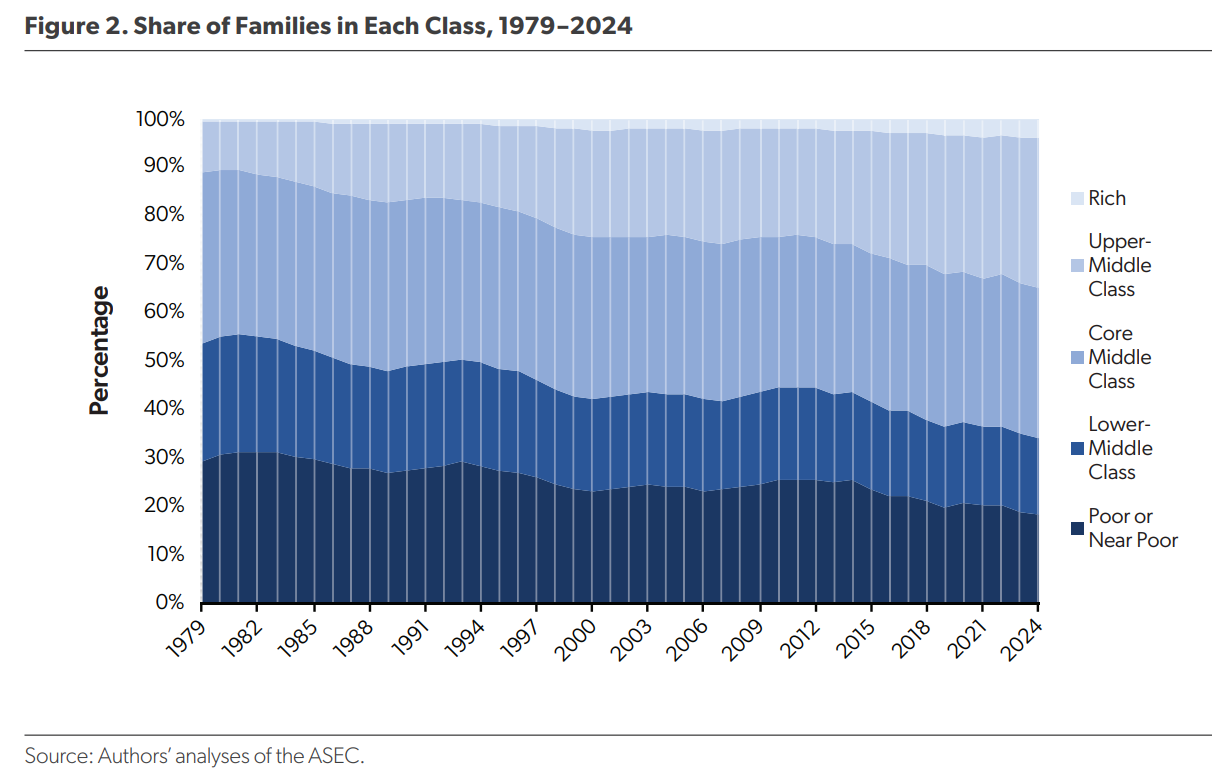
As ETF assets continue to expand, the relationship between passive flows and active market structure becomes increasingly relevant. The shrinking middle class narrative contrasts with record retail investment adoption, suggesting that access to capital markets alone does not address underlying wealth distribution mechanisms—a critical tension in modern portfolio construction.
Sector implication: This structural dynamic reinforces consolidation within Technology and Financial Services sectors, where mega-cap dominance in indices means ETF inflows disproportionately benefit established large-cap firms rather than driving broader economic participation.