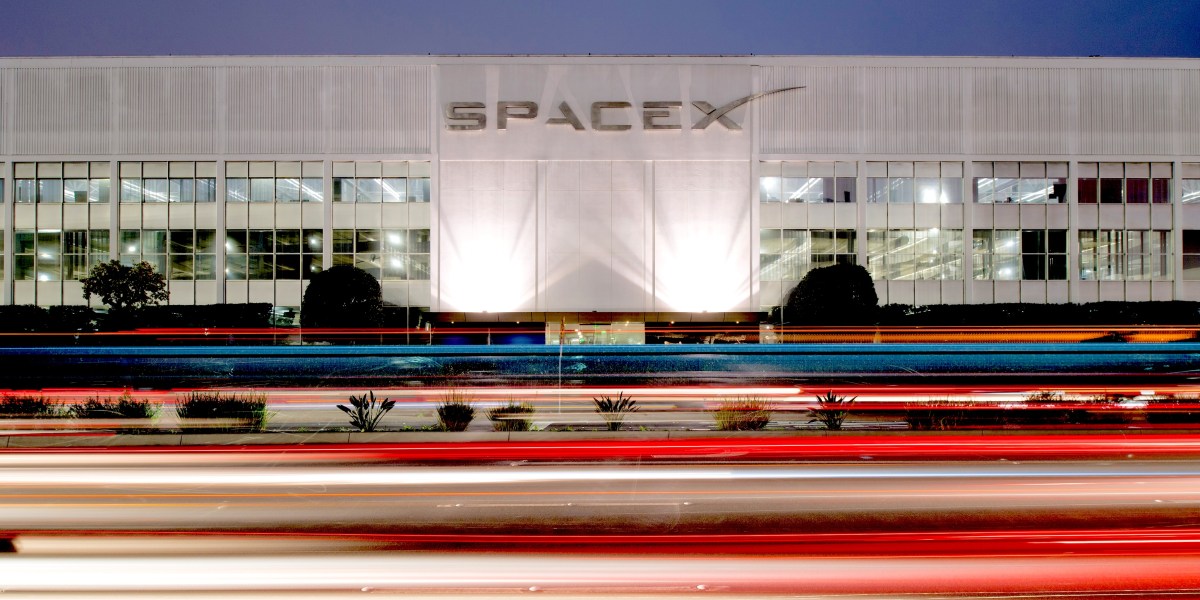
SpaceX's anticipated $75 billion IPO represents a pivotal moment for the aerospace and defense sectors, marking one of the largest technology-driven public offerings in recent memory. The listing elevates SpaceX to public market scrutiny after years of private operations, introducing institutional disclosure requirements and quarterly earnings accountability that differ materially from its predecessor structure under founder Elon Musk's private control.
CFO Bret Johnsen's mandate centers on bridging expectations with operational delivery—a critical inflection point for aerospace-adjacent equities and satellite communications infrastructure plays. Public markets will demand transparent financial metrics around launch cadence, contract fulfillment rates, and unit economics for both government (NASA, DoD) and commercial revenue streams. This transition from private to public governance introduces execution risk that extends beyond SpaceX itself to dependent suppliers and service providers.
The IPO's reception signals investor appetite for space economy consolidation and commercial space infrastructure, potentially validating comparable peers in launch services, orbital logistics, and satellite manufacturing. However, valuation multiples and post-listing performance will hinge on whether management can sustain growth narratives while satisfying public market compliance and transparency standards that private firms typically avoid.
Sector implication: Technology and Industrials sectors gain exposure to space economy monetization, though initial volatility may reflect repricing of risk premiums associated with regulatory oversight, geopolitical dependencies, and execution forecasting in a capital-intensive vertical.