Markets and oil prices react to Trump’s claims of a breakthrough in peace talks with Iran
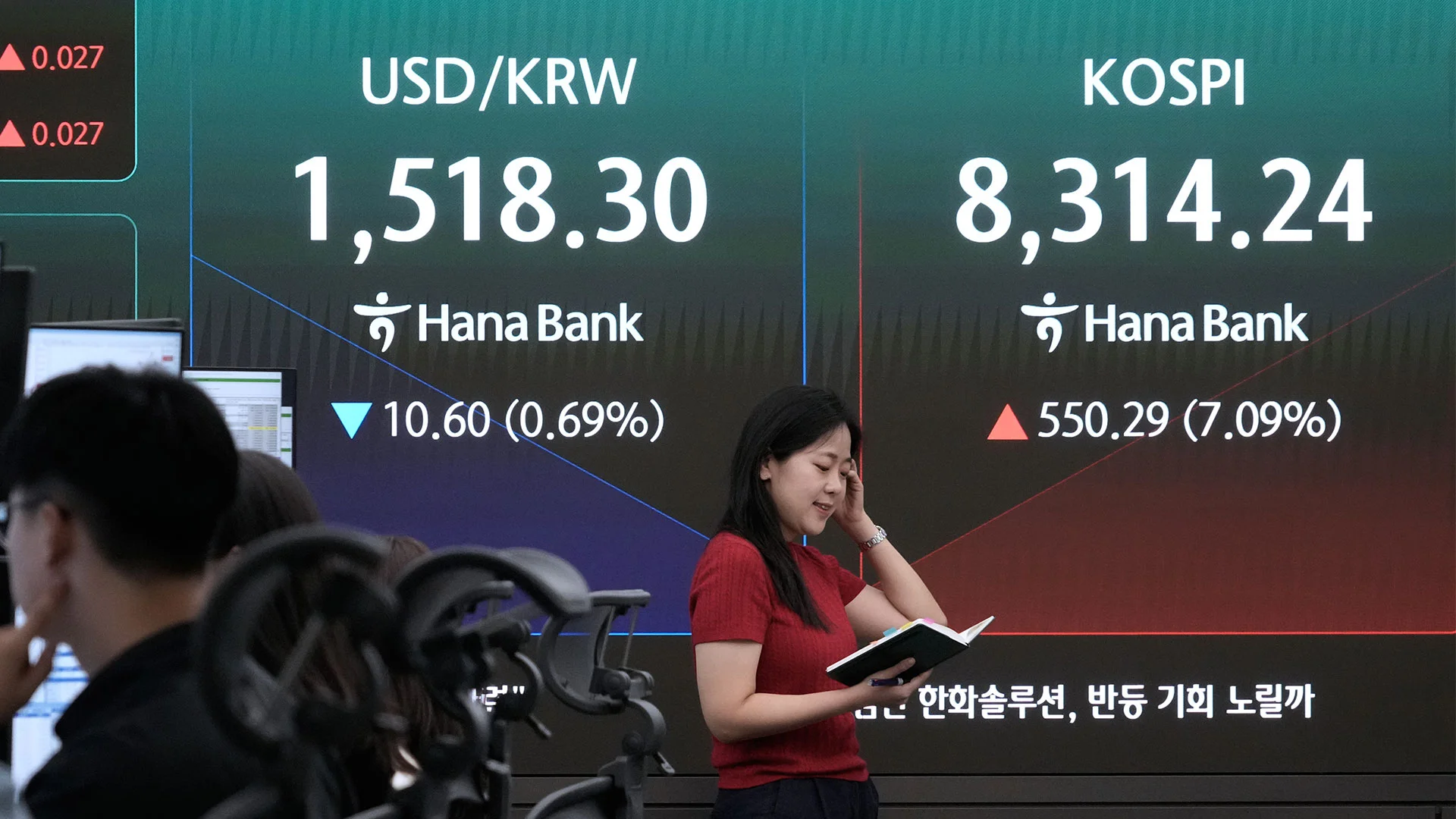
Trump's claims of a potential breakthrough in U.S.-Iran peace talks regarding the Strait of Hormuz have triggered a sharp bearish repricing in crude markets. The expectation of normalized relations and reduced geopolitical risk in a critical chokepoint has compressed energy risk premiums, sending oil prices sharply lower and pressuring integrated oil majors and energy sector ETFs.
The primary mechanism is supply risk removal. The Strait of Hormuz represents approximately 21% of global seaborne oil transit; any prospect of reduced tensions immediately eliminates the geopolitical premium embedded in WTI and Brent. This directly impacts exploration and production profitability and near-term cash flow guidance for CVX, XOM, and downstream refiners like MPC.
Equity markets display a bifurcated reaction: energy equities face downward pressure due to lower realized and forward oil assumptions, while oil-consuming sectors (transport, chemicals, materials) benefit from lower input costs. The broader S&P 500 correlation remains positive because energy comprises ~5% of the index, but sector rotation mechanics are pronounced.
Sector implication: This represents a structural revaluation of energy risk, not a temporary shock. Any Iran deal framework would permanently reduce the risk premium on crude and reshape energy sector valuation multiples downward, creating a sustained headwind for integrated energy equities despite potential margin expansion in downstream operations.