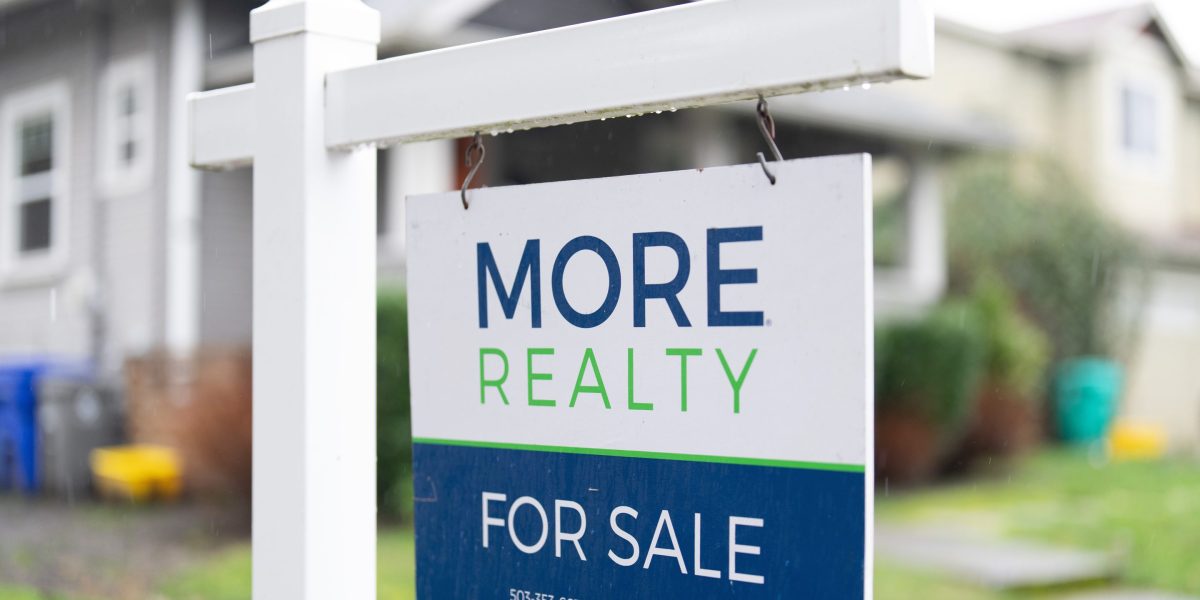
Mortgage rates have climbed to 6.52%, rising from 6.48% and approaching yearlong highs, reflecting broader bond market weakness tied to geopolitical tensions. The uptick follows escalating U.S.-Iran conflict dynamics that commenced in late February, which has systematically pushed Treasury yields higher and compressed housing affordability metrics across the market.
The trajectory of mortgage rates carries meaningful implications for housing demand elasticity. Higher borrowing costs directly reduce the pool of qualified buyers and compress monthly payment capacity, particularly for first-time homebuyers and marginal credit segments. Fannie Mae (FMCC) and mortgage REITs face compression of net interest margins and refinancing activity, though their duration-hedged portfolios may provide partial mitigation against sustained rate elevation.
Consumer cyclical sectors—especially homebuilders and furnishings—face demand headwinds as affordability deteriorates. The near-yearlong high suggests market participants are pricing in persistent rate elevation rather than transient spillover, reflecting confidence in sticky inflation and geopolitical risk premiums embedded in sovereign debt pricing.
Sector implication: Financial Services and Real Estate face negative pressure as mortgage origination volumes contract and servicing economics compress. Housing-sensitive Consumer Cyclical exposure becomes increasingly defensive. The disconnect between Fed policy expectations and market-priced rates suggests inflation expectations remain anchored but geopolitical risk is a lasting rate driver.