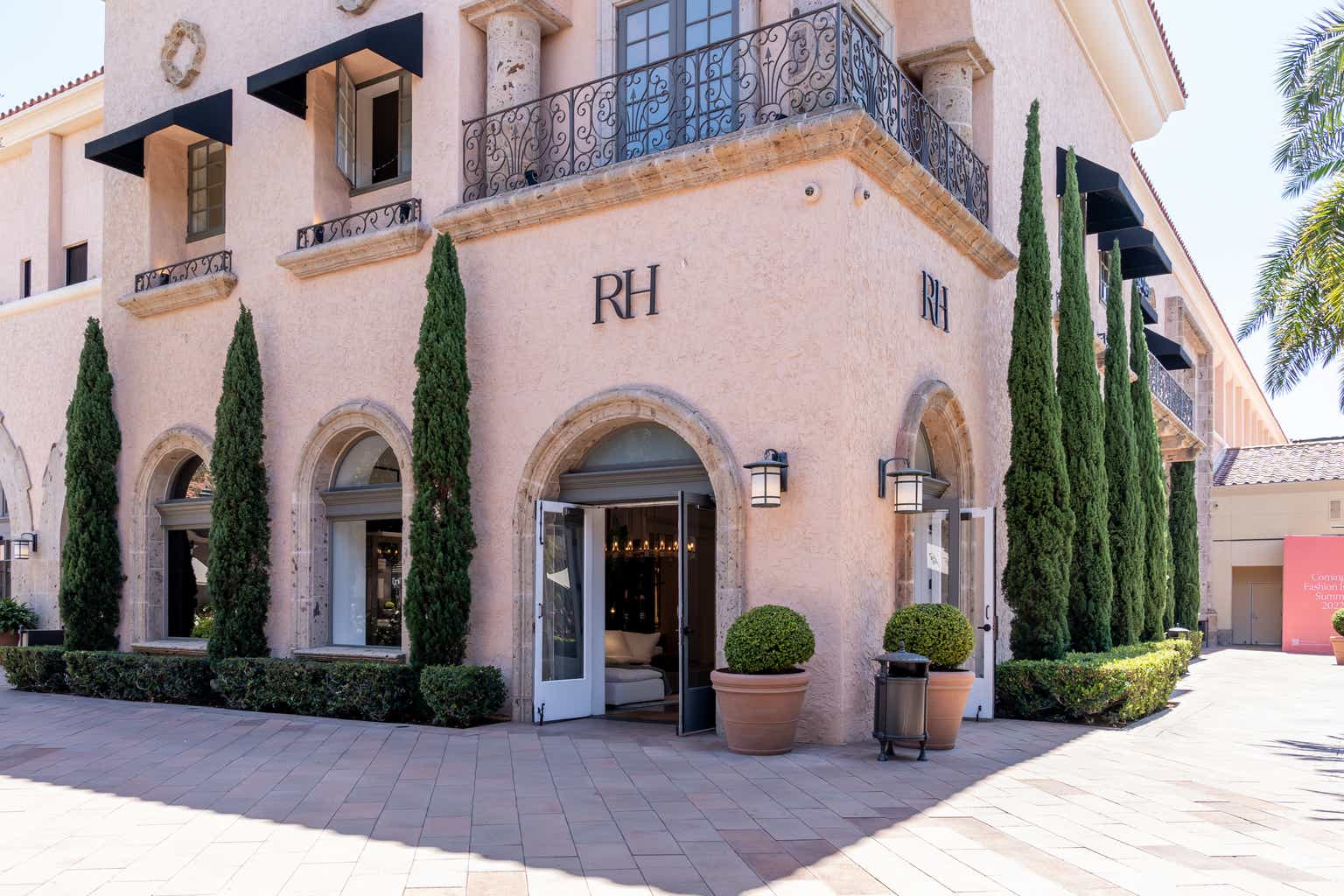
RH faces structural headwinds that extend beyond cyclical macro weakness, with declining revenue and expanding losses signaling deteriorating operational fundamentals. The combination of falling sales and widening profitability gaps suggests demand destruction outpacing cost management, a concerning dynamic for discretionary furniture retail in an environment of constrained consumer spending.
The sell thesis reflects both cyclical and company-specific vulnerabilities. As macro headwinds persist—including elevated consumer financing costs and delayed home purchases—premium home furnishings represent discretionary spending that households reduce first. RH's margin compression indicates pricing power erosion alongside volume declines, limiting management's ability to defend profitability through mix or operational leverage.
This deterioration matters beyond the single stock; RH operates as a bellwether for consumer discretionary health and housing-adjacent demand. Widening losses despite cost actions suggest underlying demand weakness rather than temporary execution issues, warranting caution on near-term inflection timing. The gap between sales and profit trends indicates structural pressure rather than inventory normalization.
Sector implication: Consumer Cyclical rotation accelerates as luxury/discretionary subsegments face demand headwinds. This validates defensive positioning and raises questions about durability of premium consumer narratives heading into 2024-2025.