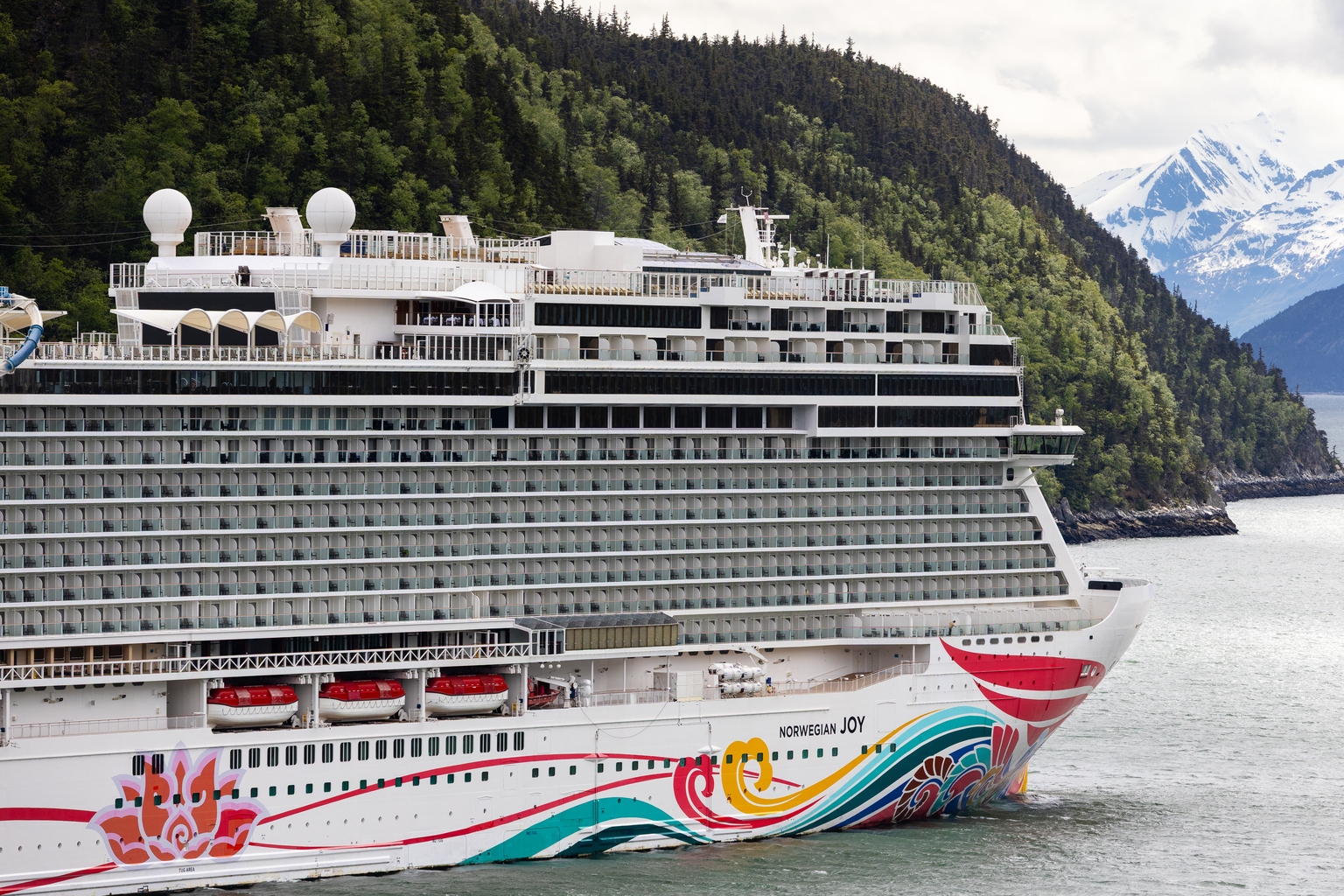
NCLH remains a laggard within the cruise sector despite brief recovery attempts in early 2026. The relative underperformance versus peers like CCL and RCL suggests company-specific headwinds rather than sector-wide weakness, positioning the stock as a relative weakness play within consumer cyclical discretionary spending.
The "no need for panic" framing indicates stabilization expectations and potential recovery catalysts, though the article's cautious tone reflects investor skepticism. This contradiction between reassurance messaging and year-to-date underperformance signals market concerns remain about NCLH's competitive positioning, operational efficiency, or balance sheet health relative to cruise peers.
Cruise stocks remain sensitive to consumer sentiment, fuel costs, and leisure travel demand—factors highly correlated with macroeconomic confidence and discretionary spending cycles. Any softening in consumer activity or recession signals would disproportionately impact cruise operators, making this sector cyclically vulnerable despite near-term stabilization rhetoric.
Sector implication: The cruise industry faces structural headwinds from post-pandemic capacity normalization and competitive pricing pressure. NCLH's relative weakness suggests market confidence in differentiation tilts toward better-capitalized competitors, signaling potential consolidation or margin compression risk across the leisure travel segment.