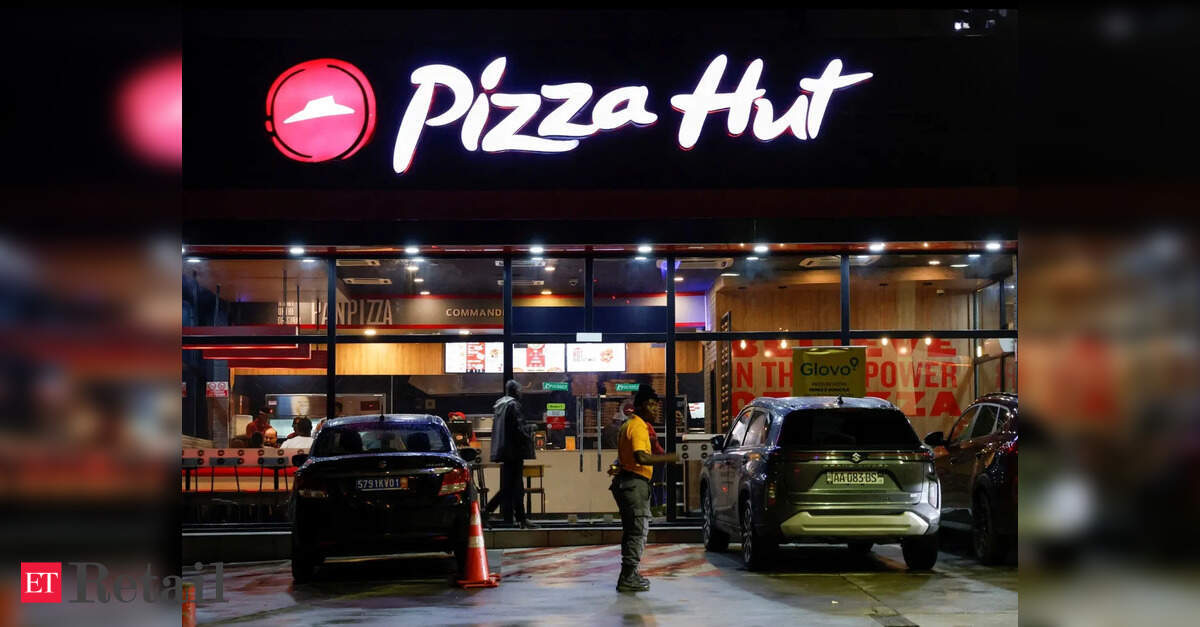
Yum Brands divested Pizza Hut for $2.7 billion to LongRange Capital and Yum China Holdings, marking a strategic portfolio rationalization. This transaction reflects the parent company's decision to reallocate capital toward higher-performing brands, signaling acknowledgment that Pizza Hut's market position has eroded relative to competitors like Domino's and Papa John's.
The sale price and buyer composition suggest limited enthusiasm for the asset in its current operational state. Yum China acquiring a stake indicates regional growth potential, particularly in Asia-Pacific markets where pizza consumption is expanding, though domestic U.S. performance remains challenged by structural headwinds in casual dining and delivery-driven competition.
For YUM shareholders, divestiture eliminates a underperforming segment, potentially improving consolidated margins and return metrics. The transaction allows management to concentrate resources on KFC and Taco Bell franchises, which command stronger unit economics and brand loyalty. Cash redeployment toward shareholder returns or higher-growth initiatives typically generates market approval.
Sector implication: The quick-service restaurant sector faces persistent traffic normalization and pricing pressure post-inflation. Pizza Hut's sale underscores bifurcation between premium-positioned chains and value-oriented players, with survival favoring franchises with operational efficiency and digital integration strength.