Jeff Bezos predicts AI will create a labor shortage, not replace human workers across the economy
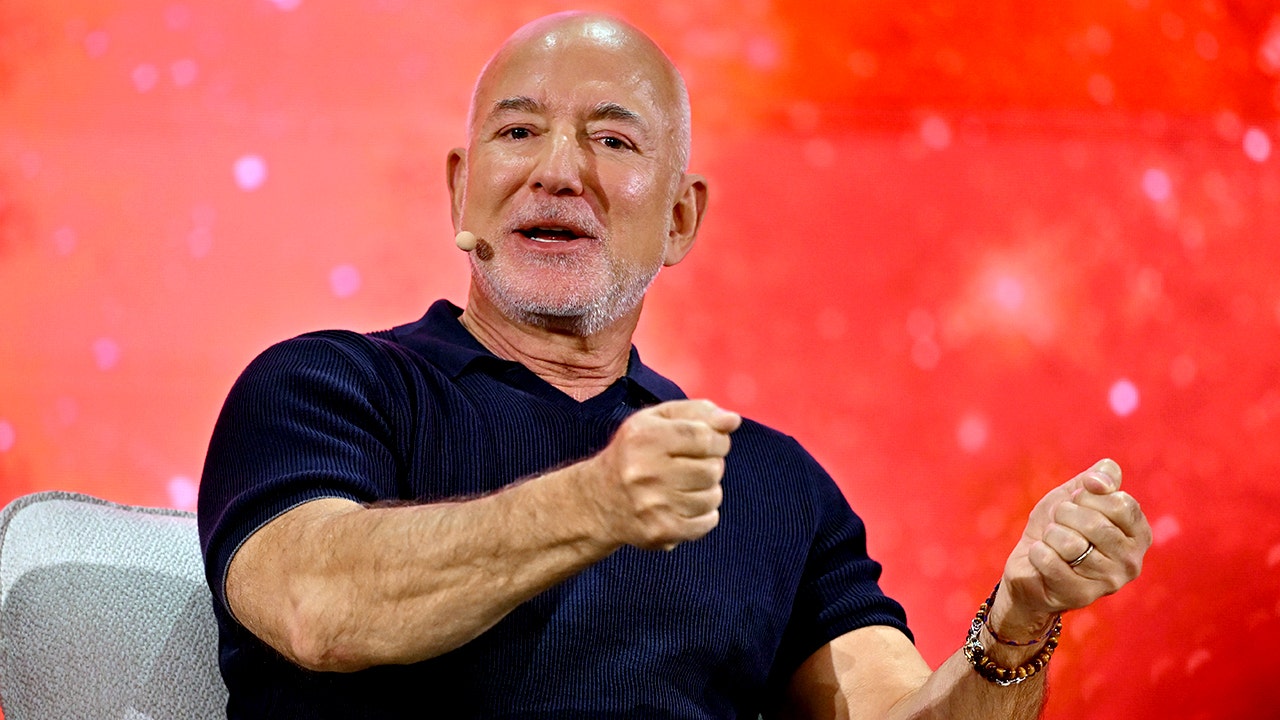
Jeff Bezos articulated a labor-shortage thesis for AI deployment, diverging from widespread automation fears that have pressured equity valuations. His optimistic framing at VivaTech suggests technology leaders are positioning AI as a complementary tool rather than a displacement mechanism, which could ease regulatory and public sentiment headwinds facing the sector.
This narrative matters because it addresses a critical macro uncertainty: whether AI adoption drives deflationary wage dynamics or inflation-resistant labor market tightness. A shortage scenario implies sustained wage growth and persistent pricing power for companies investing in AI infrastructure, supporting equity risk premiums across both technology and dependent consumer sectors.
AMZN benefits from narrative reframing around its massive AI/cloud infrastructure investments (AWS) as capacity enablers rather than job killers. Bezos's credibility as a technology pioneer lends weight to optimistic AI deployment scenarios, potentially reducing tail-risk discounting in mega-cap tech valuations and supporting sentiment around long-duration growth assets.
Sector implication: Technology stocks may see modest support from reduced labor-replacement anxiety, while consumer cyclicals could benefit from messaging that maintains employment and spending capacity. The commentary creates favorable conditions for continued AI infrastructure buildout without the political friction that mass-displacement narratives generate.