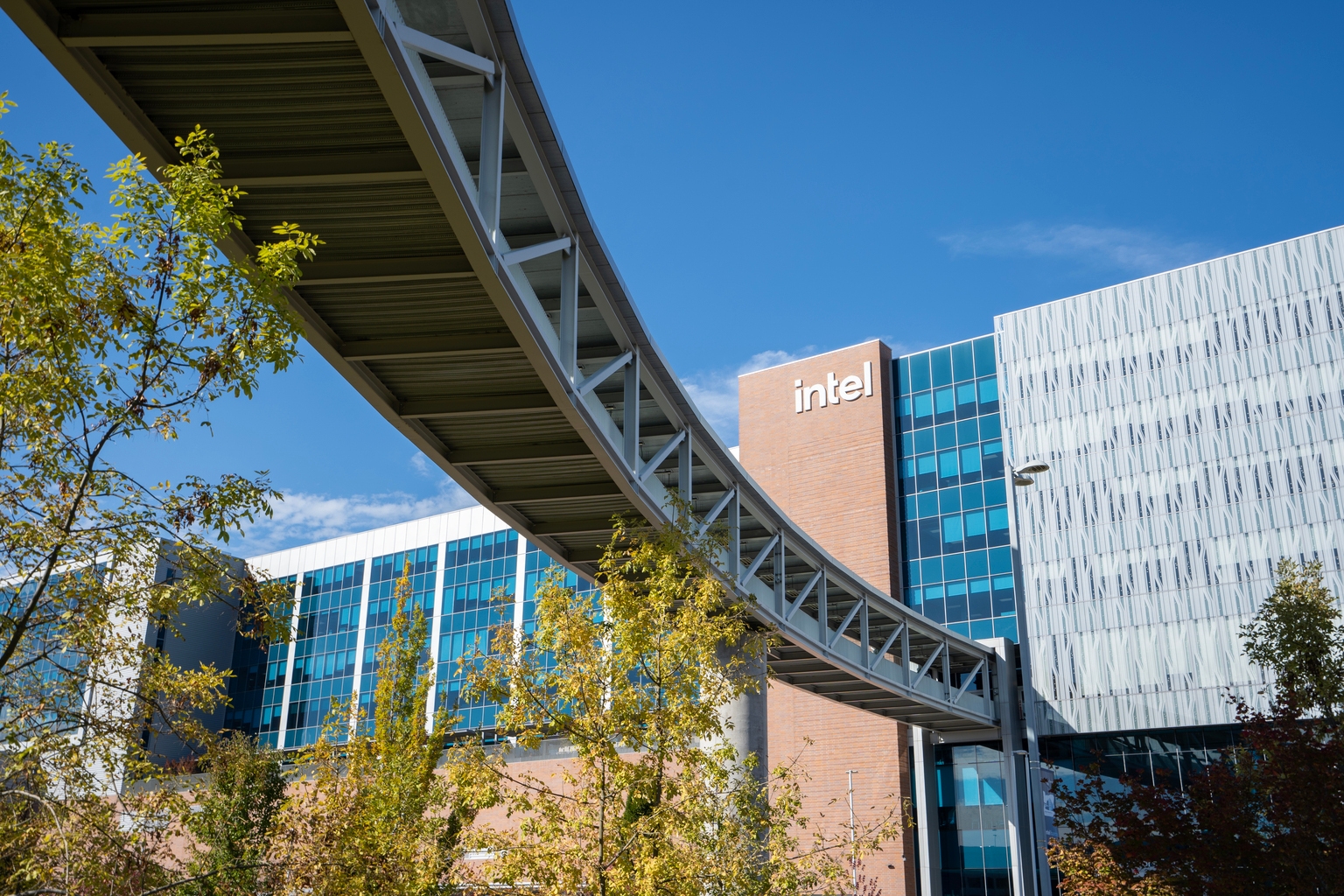
Intel's announced partnership with Apple represents a material validation of its foundry strategy pivot. The deal signals that legacy chip manufacturers can compete in contract manufacturing against specialized pure-plays, addressing long-standing investor skepticism about Intel's ability to execute its Idm 2.0 transformation and capture external foundry revenue.
The valuation context is critical: the headline phrase "priced for perfection" suggests current equity pricing already embeds expectations of flawless execution and multiple major wins beyond Apple. This creates execution risk—any delays, yield issues, or loss of follow-on orders could trigger sharp repricing despite today's surge. Analyst consensus may require substantial revenue contribution within 2-3 years to justify elevated multiples.
For the broader semiconductor ecosystem, the partnership reduces competitive pressure on TSMC and Samsung foundries by diversifying customer options, which is net-neutral to slightly positive for industry stability. Apple's participation validates advanced-node outsourcing demand but does not guarantee margin sustainability given capital intensity and competitive pricing dynamics in foundry services.
Sector implication: This is a Technology consolidation catalyst—more bullish for equipment suppliers (ASML, LRCX) than for diversified chip designers. The deal reinforces that semiconductor oligopoly winners are now foundry operators, not fabless companies, shifting valuation narratives across the industry.