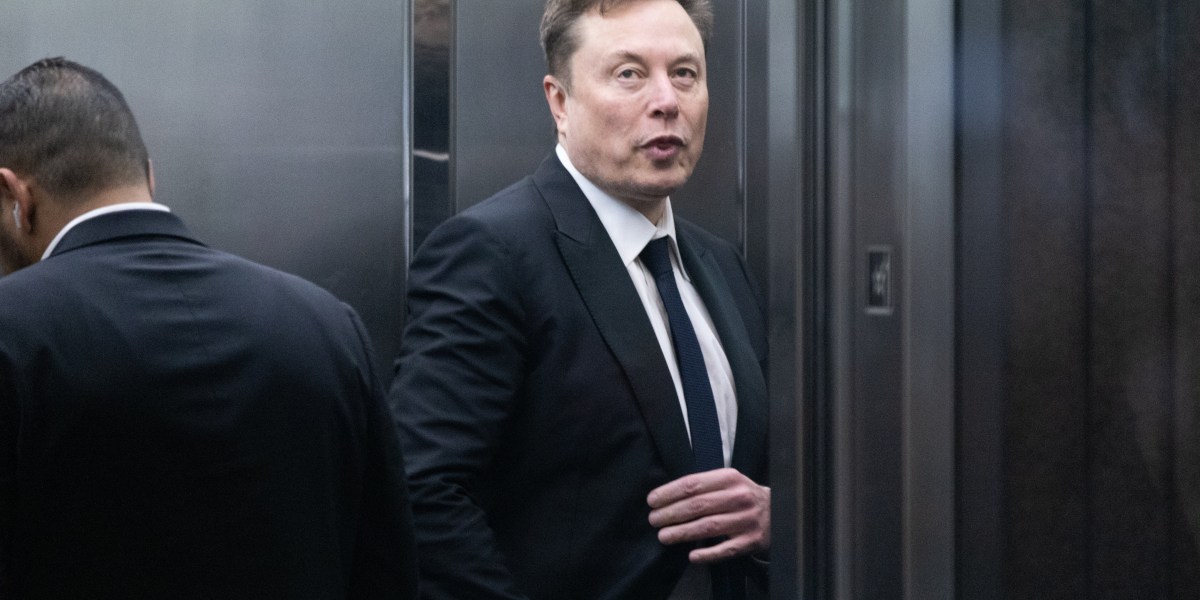
The article explores speculative dynamics around a hypothetical Tesla-SpaceX merger, framing it as a narrative that gains traction during periods of TSLA stock appreciation. The mechanism is asymmetric: Tesla shareholders would benefit from exposure to SpaceX's higher-growth aerospace operations, while SpaceX investors face dilution and valuation compression risks in such a transaction.
From a market structure perspective, this merger thesis lacks fundamental catalysts and exists primarily as retail trader sentiment during rally phases. TSLA strength alone does not materially increase merger probability; rather, it amplifies speculation among retail forums and media commentary. The divergence in investor bases (public TSLA equity holders vs. private SpaceX stakeholders) and regulatory complexity around aerospace consolidation remain structural headwinds.
The corrective insight—that Tesla shareholders gain while SpaceX stakeholders lose—signals that consensus expectations may be misaligned with actual deal economics. This suggests limited institutional conviction behind the merger narrative and positions it as a retail-driven psychological phenomenon rather than a serious M&A outcome.
Sector implication: Technology and Industrials exposure is tangential; the article reflects sentiment volatility in high-beta growth stocks rather than fundamental sector rotation. The piece is noise in a crowded commentary ecosystem, with minimal systematic market implications for broad indices or sector positioning.