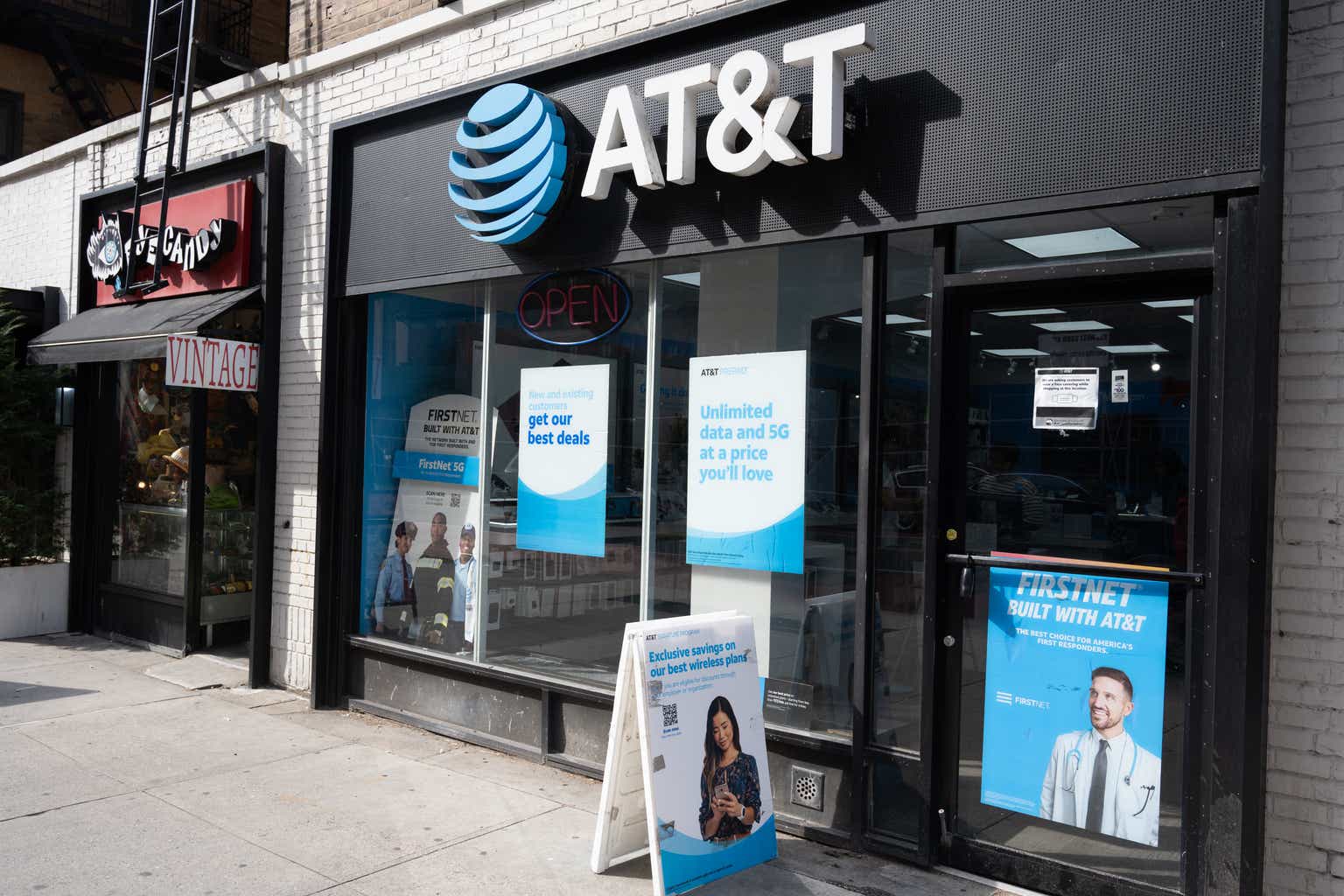
AT&T faces competitive pressure from SpaceX's Starlink satellite internet service, which threatens to erode the telco's traditional broadband and connectivity moat. The article raises questions about AT&T's defensibility in an era of low-orbit satellite coverage proliferating across underserved and densely-populated markets alike.
Starlink's disruptive positioning targets AT&T's highest-margin segments: fixed-line broadband and rural connectivity. Unlike terrestrial infrastructure requiring decades of capital deployment, satellite networks scale rapidly with minimal geographic constraints. This structural advantage could compress AT&T's pricing power and force margin compression across legacy wireline segments.
AT&T's defensive moat—built on network density and customer switching costs—faces erosion as satellite technology matures and latency improves. The company's dividend sustainability and capital allocation strategy may face pressure if market share losses accelerate. Investors must weigh legacy cash flows against secular headwinds in broadband competition.
Sector implication: Communication services face structural disruption from non-traditional competitors. Satellite internet represents a paradigm shift in broadband delivery that traditional telecom infrastructure cannot easily replicate, potentially reshaping competitive dynamics across the entire sector for the next 5–10 years.