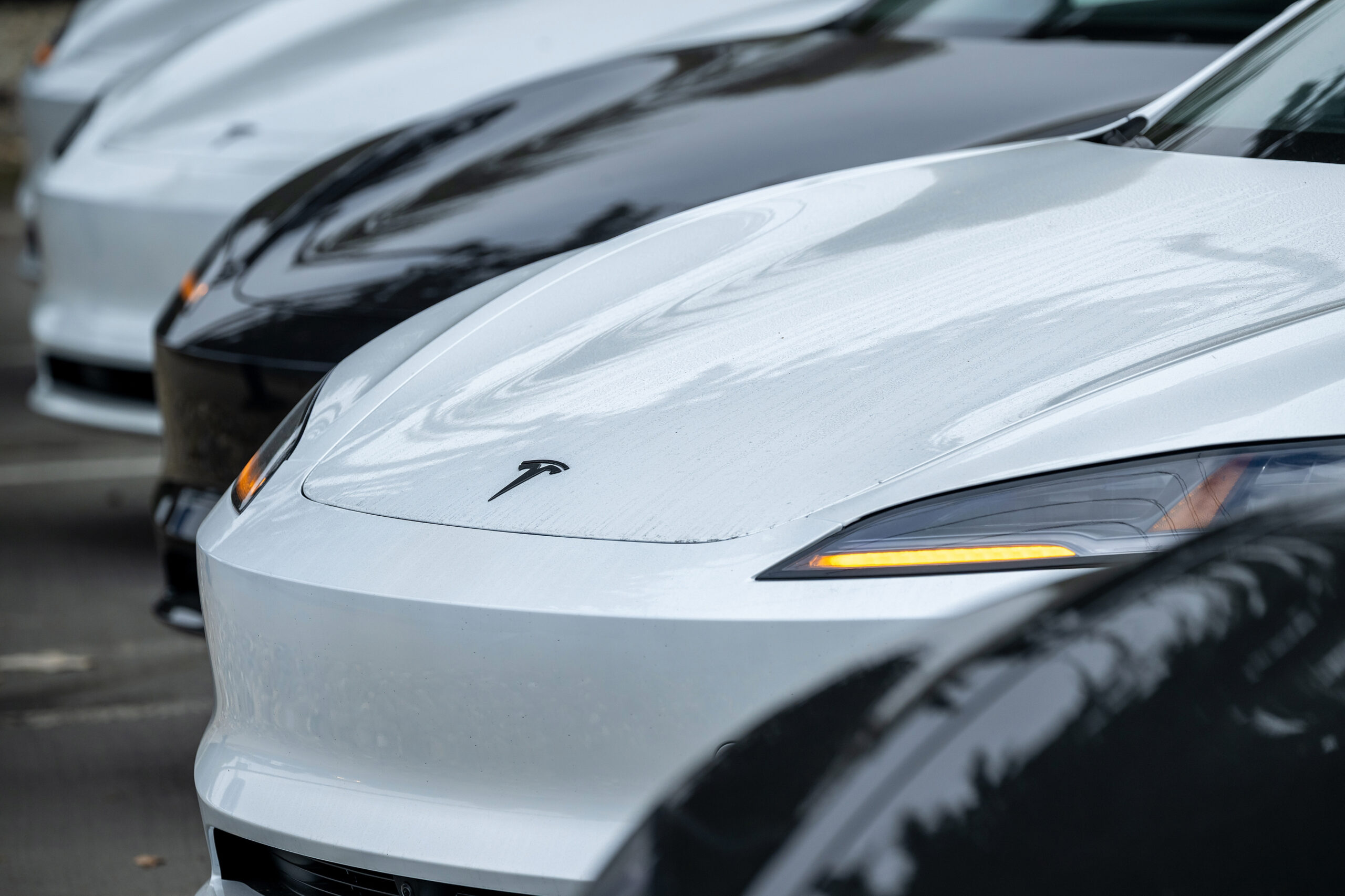
A wrongful death lawsuit against Tesla alleges that driver-assistance software in a Model 3 caused a fatal collision, raising renewed questions about autonomous vehicle safety and liability frameworks. This incident adds to mounting legal and regulatory scrutiny surrounding Autopilot functionality, which has faced multiple prior incidents and investigations from the National Highway Traffic Safety Administration.
The case centers on whether Tesla's marketing of advanced driver aids creates false consumer confidence in system capabilities, a critical distinction in product liability law. If juries or courts determine that driver-assistance misrepresentation contributed to harm, Tesla faces exposure to broader litigation waves and potential punitive damages, transcending typical warranty disputes.
Regulatory implications extend beyond this single case; lawmakers and safety bodies globally are accelerating scrutiny of autonomous driving claims. Such litigation success could necessitate stricter labeling, retraining requirements, or functional limitations on driver-assistance systems, increasing compliance costs and reducing competitive differentiation in Tesla's portfolio.
Sector implication: Consumer Cyclical weakness stems from reputational and litigation risk to the automotive franchise. Technology exposure reflects broader concerns about AI safety validation and accountability standards that could affect multiple autonomous-vehicle manufacturers and liability insurers.