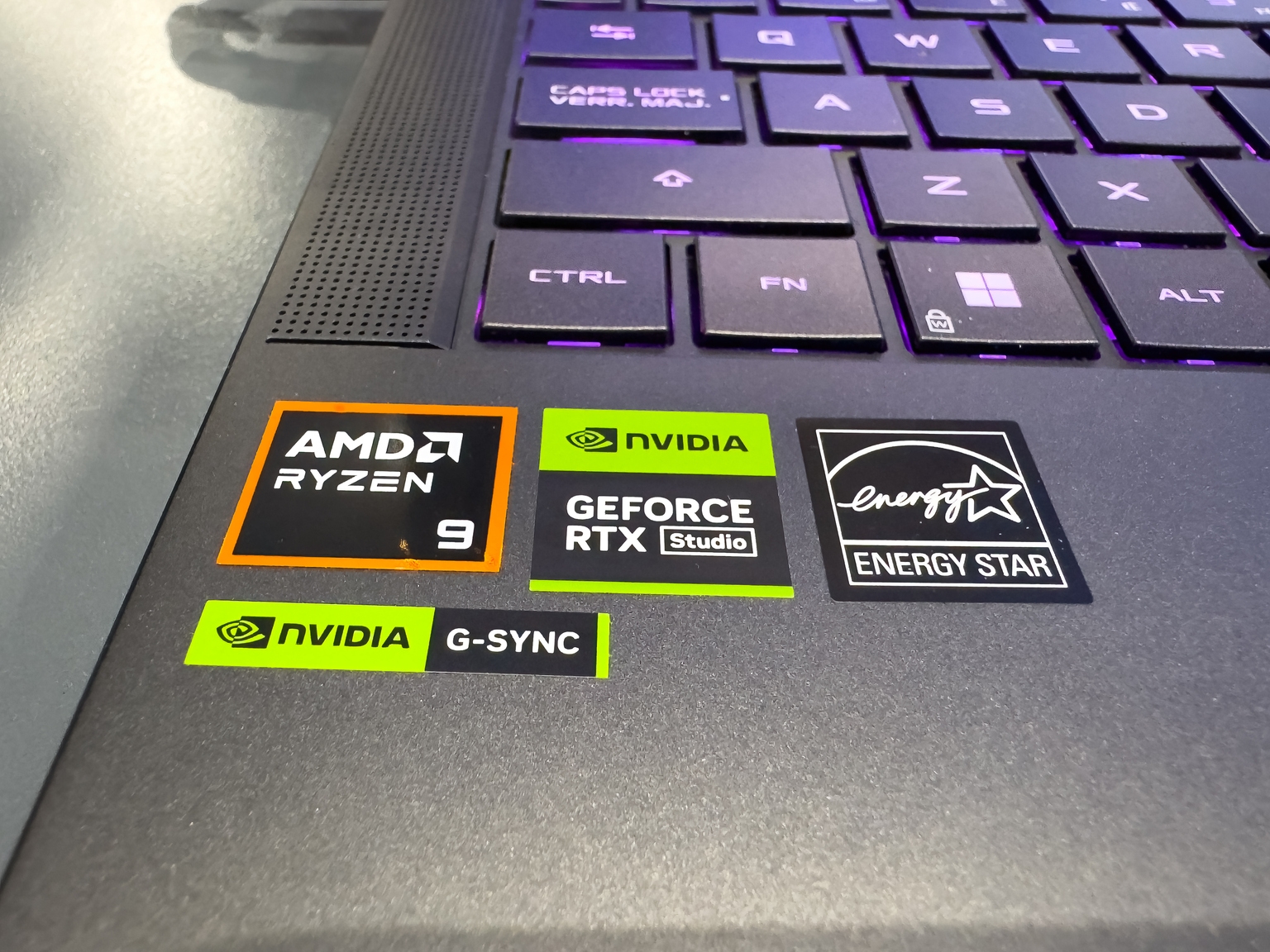
The thesis centers on AMD's emerging competitive positioning within enterprise AI infrastructure, specifically highlighting secured multi-year, multi-gigawatt capacity commitments from major hyperscalers including Meta and OpenAI. This diversification narrative suggests the semiconductor vendor has successfully penetrated the GPU acceleration market—historically dominated by NVIDIA—through customer appetite for alternative suppliers and supply chain resilience.
The analysis distinguishes between two AMD value drivers: the near-term GPU momentum fueling market sentiment, and the underlying CPU server business which may be undervalued. This dual-exposure construct implies investors are currently pricing enthusiasm around discrete GPU sales while potentially underweighting the company's established, higher-margin datacenter processor franchise. The differentiation suggests asymmetric upside if CPU margins stabilize or inflect positively.
From a competitive dynamics perspective, hyperscaler diversification away from single-vendor reliance represents structural support for AMD's AI infrastructure narrative. Multi-year contract commitments provide revenue visibility and customer lock-in effects that reduce near-term execution risk. The scale of gigawatt-level capacity agreements indicates meaningful workload migration is underway.
Sector implication: The semiconductor and technology infrastructure sectors benefit from extended AI capex cycles and capacity expansion. AMD's secured demand signals reinforce the durability of the AI-driven infrastructure buildout, though valuation compression risk remains if GPU demand normalizes faster than anticipated.