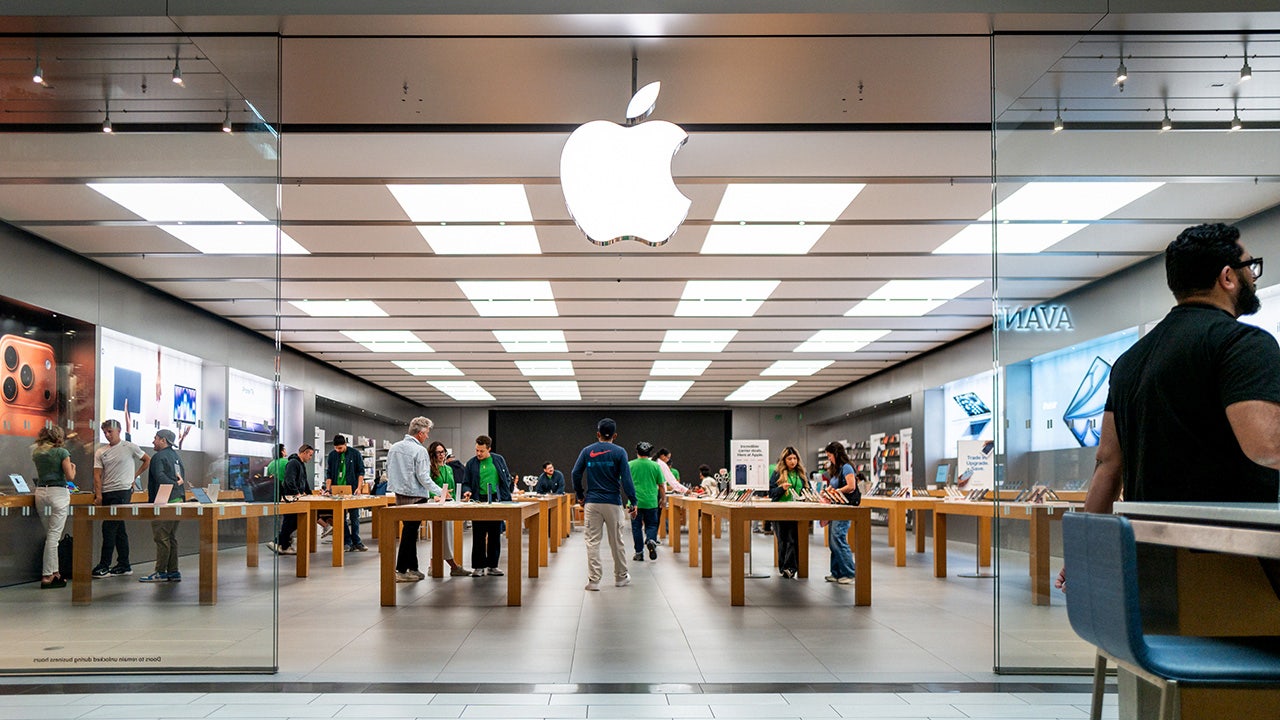
Apple's pricing action reflects a structural cost headwind rather than demand strength. The company is raising prices across multiple product lines—iPad, MacBook Air, MacBook Pro, HomePod, and Apple TV—directly attributable to surging memory and storage chip costs driven by AI infrastructure buildout competing for semiconductor allocation.
This price increase signals margin compression risk in consumer electronics. Rather than expanding profitability, AAPL is passing costs to end consumers, which historically pressures unit demand elasticity. The AI-driven chip cost inflation represents a negative externality for hardware manufacturers lacking foundry control or long-term supply contracts at locked rates.
Market interpretation hinges on whether consumers absorb these price increases or trade down. For premium-positioned Apple, demand destruction risk exists in price-sensitive segments (iPad entry models, MacBook Air). Competitor positioning (Dell, HP, Lenovo) becomes critical as their cost structures face identical pressures but may have different pricing flexibility.
Sector implication: The move validates supply-chain strain narratives affecting consumer technology hardware. It also underscores semiconductor supply leverage—foundries and memory producers (TSMC, SK Hynix, Samsung) capture margin upside while OEMs absorb cost shocks. This dynamic likely persists until AI capex moderates or new capacity comes online.