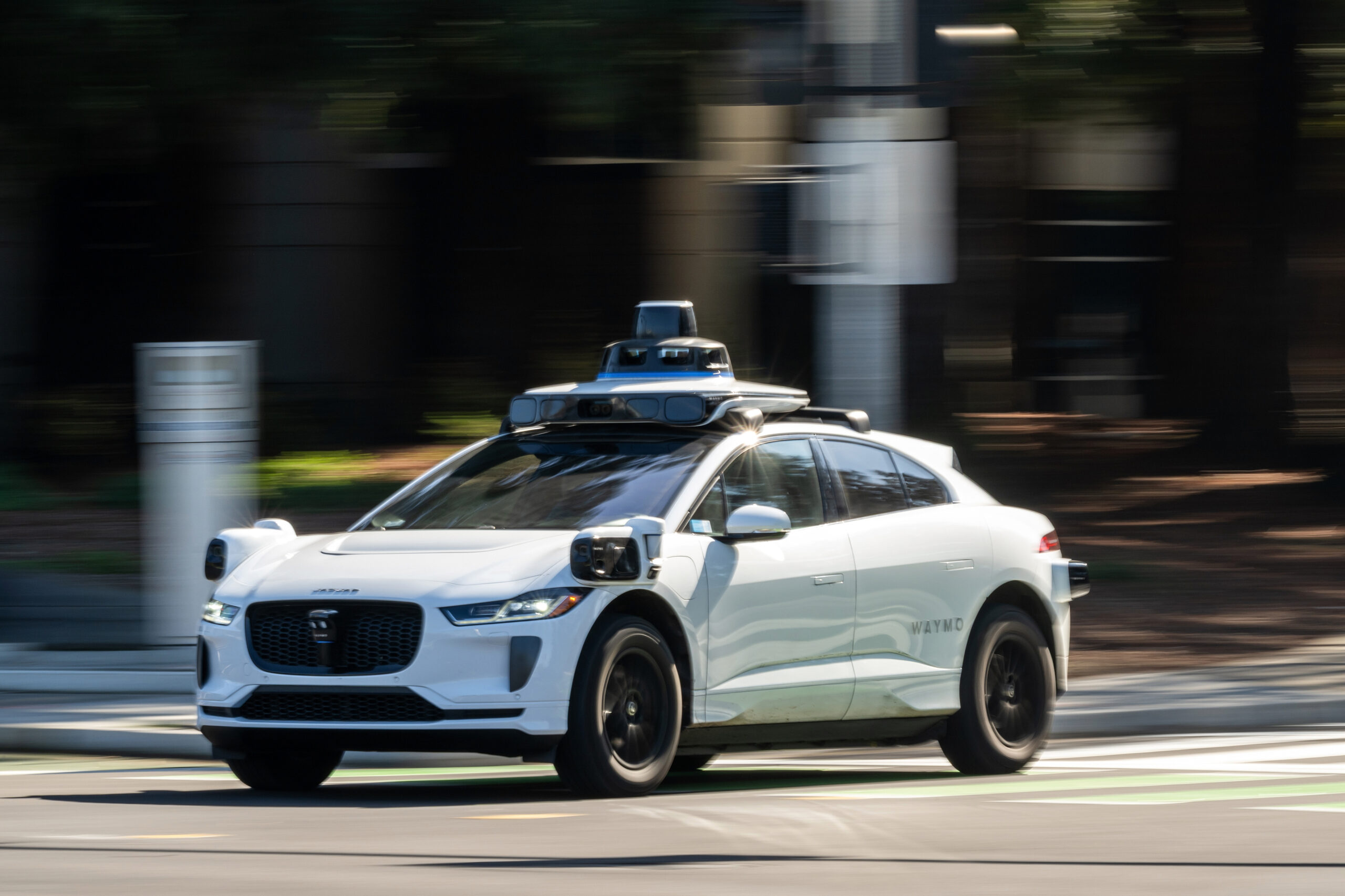
Uber and Alphabet's Waymo have terminated their robotaxi partnership in Phoenix, marking a tactical realignment in autonomous vehicle commercialization. The dissolution reflects shifting strategic priorities as both firms evaluate competing approaches to autonomous mobility deployment and capital allocation in the nascent robotaxi market.
For Uber, the move signals intent to pursue alternative robotaxi partnerships rather than exclusive reliance on Waymo technology, potentially broadening optionality across multiple autonomous platforms. This operational pivot suggests management confidence in locating complementary autonomous vehicle providers, though execution risk remains material given the competitive and regulatory complexity of robotaxi deployment.
Alphabet's Waymo faces strategic implications regarding third-party commercialization channels, though the company maintains independent robotaxi operations and broader autonomous vehicle ambitions. The partnership termination does not represent fundamental weakness in Waymo's technology trajectory but rather reflects market dynamics where multiple autonomous platforms compete for limited deployment opportunities.
Sector implication: The autonomous vehicle ecosystem remains fragmented with unresolved commercial viability timelines. Neither company's fundamentals experience material disruption from this partnership adjustment, as both retain independent autonomy strategies. Market participants should monitor Uber's announced alternative partnership for clarity on competitive positioning and path-to-profitability assumptions in autonomous mobility.